The effect of placing irrigation water in the vicinity of a "plant growth acceleration" reactor on germination and morphological characteristics of mung bean (Vigna radiata L.) seeds under conditions of complete uniformity of water chemical composition
Introduction
Mung bean is a valuable legume in tropical regions that is important in crop rotation due to its short growth period and high protein content. Rapid and uniform germination is the basis for producing strong seedlings. In recent years, the use of non-chemical methods to stimulate germination has received attention. The growth acceleration reactor device claims to facilitate plant growth without changing the chemical composition of the water. The aim of this study was to investigate the net effect of placing water in the vicinity of this device on the germination indices of mung bean seeds under conditions of the same chemical composition of the water.
Materials and Methods
The experiment was carried out as a factorial in a completely randomized design with two treatments and three replications. The first treatment was urban tap water as a control and the second treatment was the same water that had been placed next to the reactor for 4 hours. In each replication, 50 seeds were sown in a 9 cm plate. The chemical composition of the water was considered the same in the two treatments. The germination percentage was recorded in 6 days. In 6 days, the main root length, hypocotyl length, root diameter, number of secondary roots, root hair density, leaf area and greenness index were measured using the image. The greenness index was calculated using the formula. The data were analyzed with SAS software and the means were compared with a paired t-test.
Results
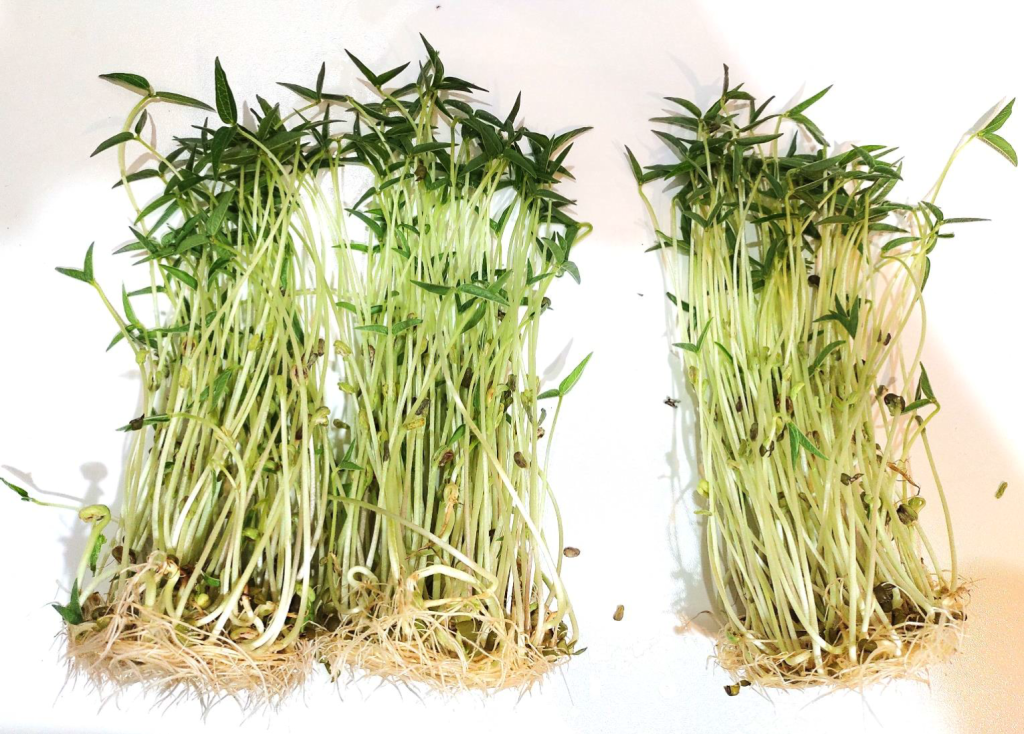
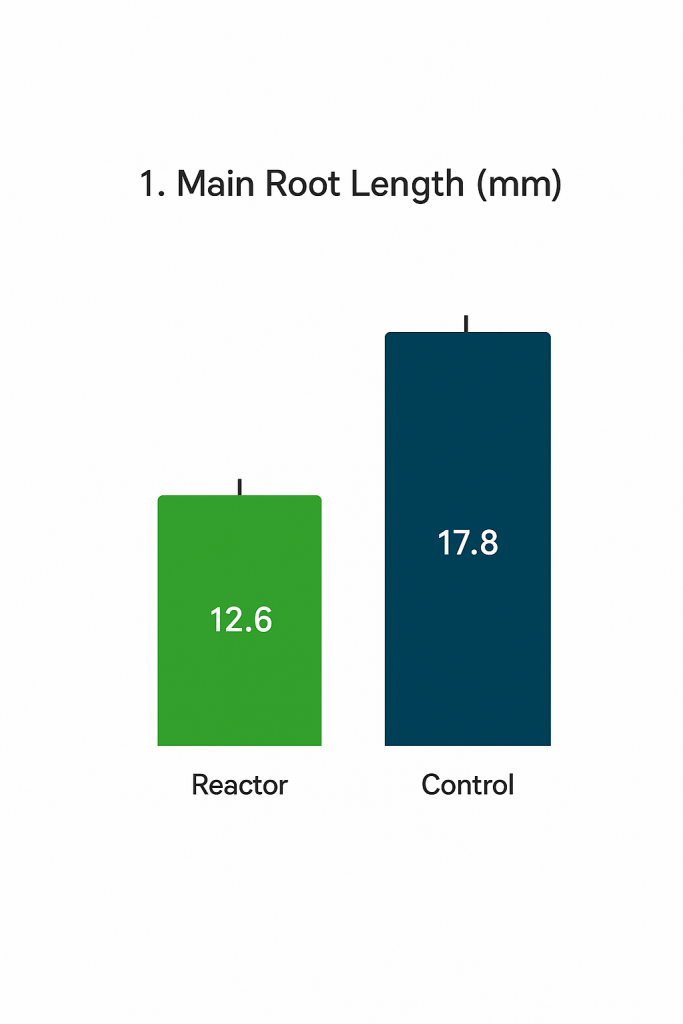
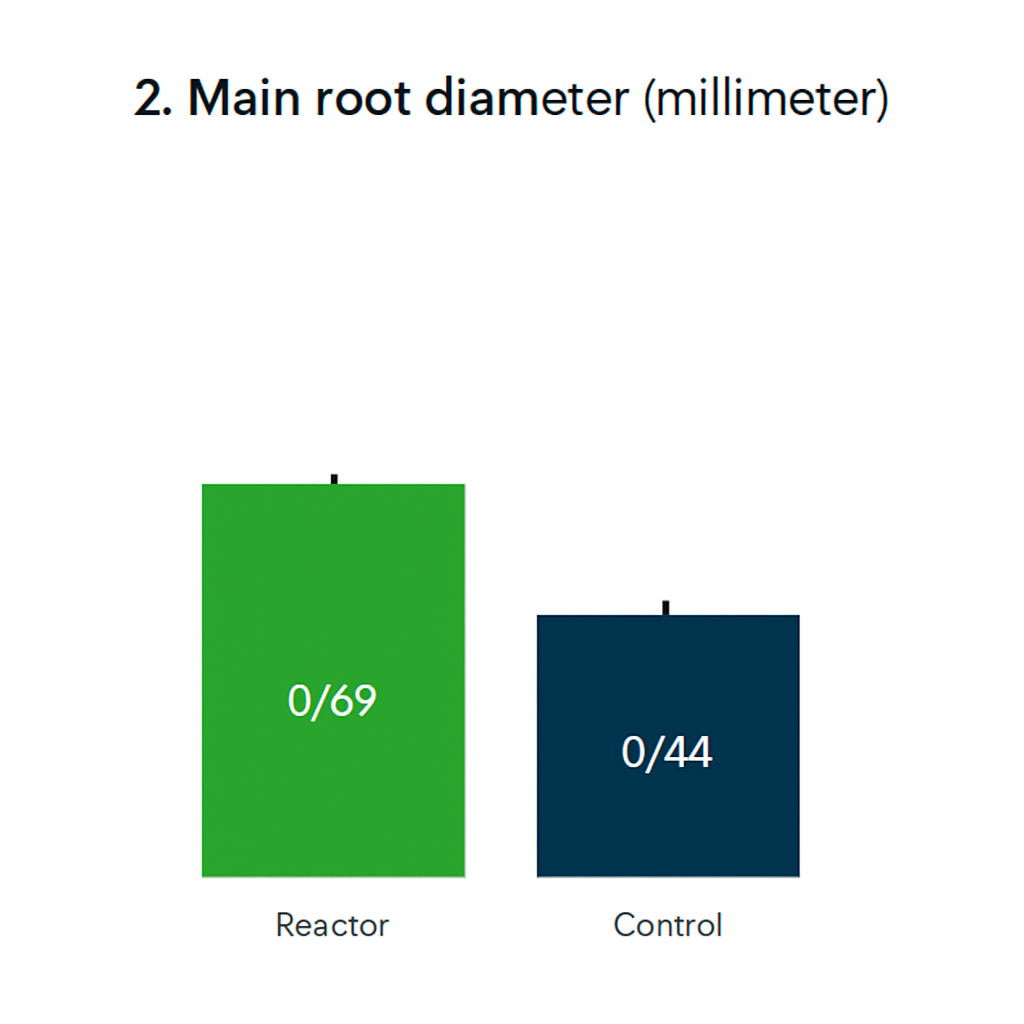
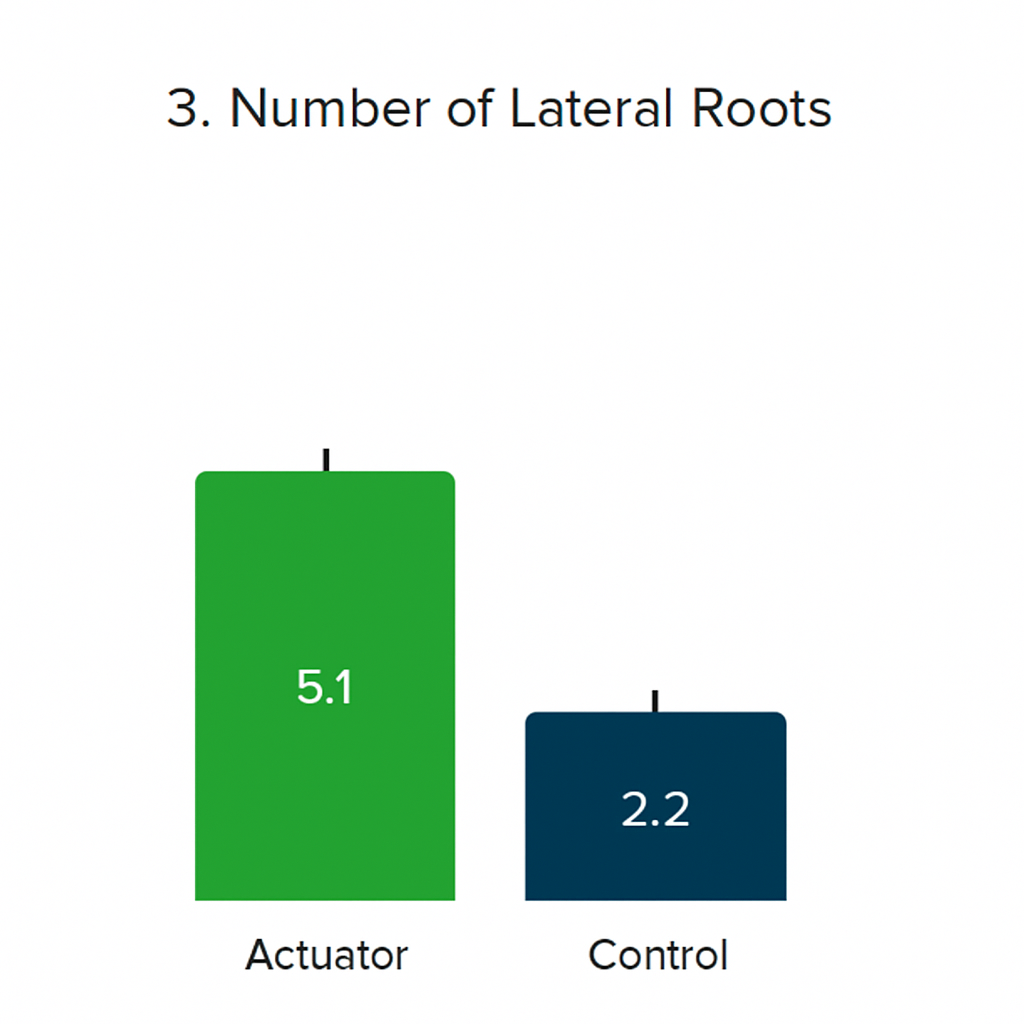
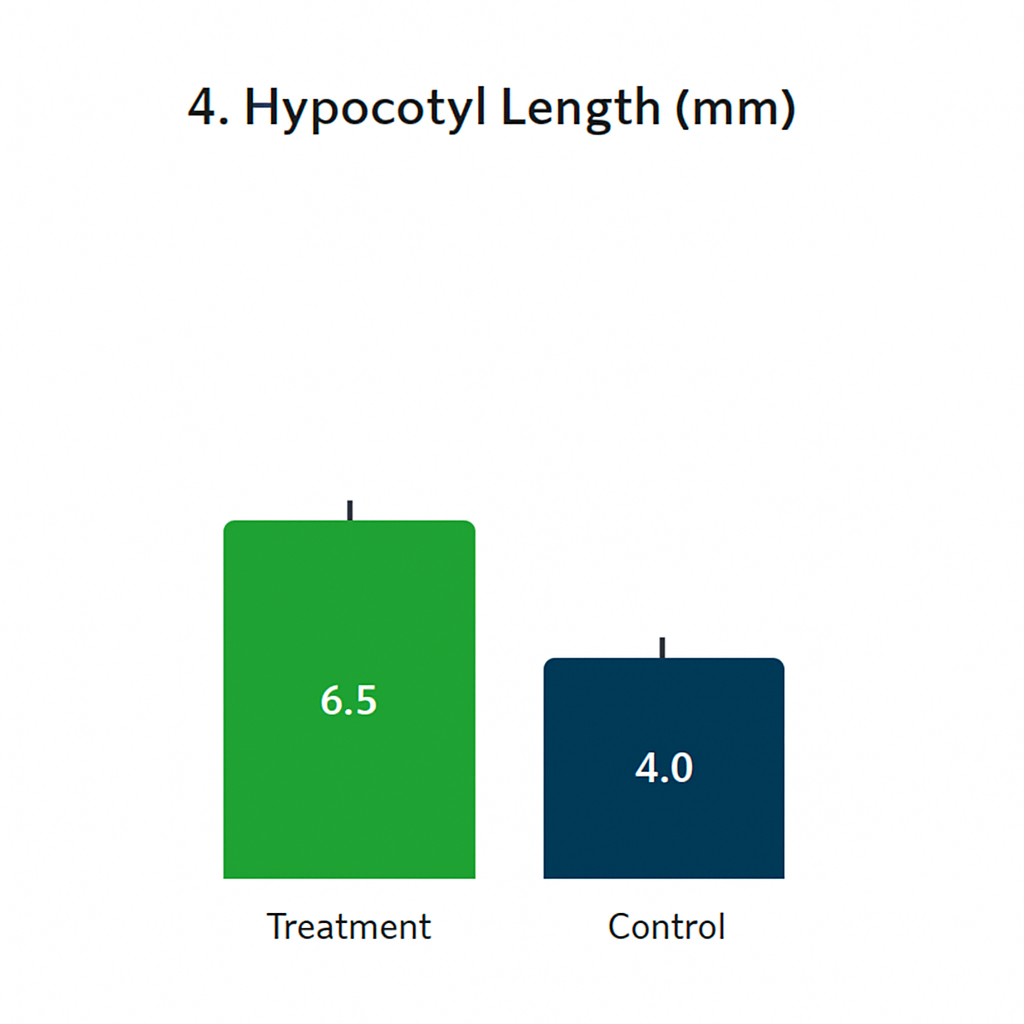
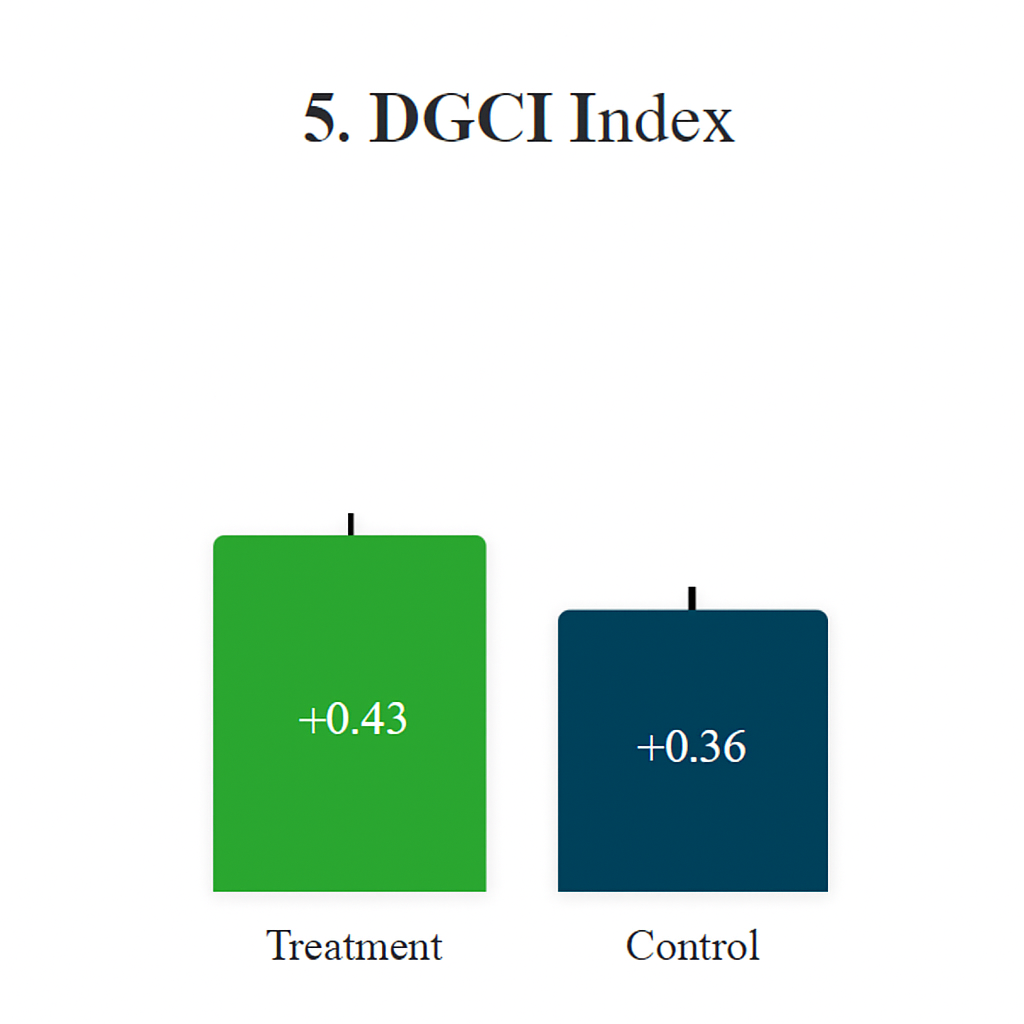
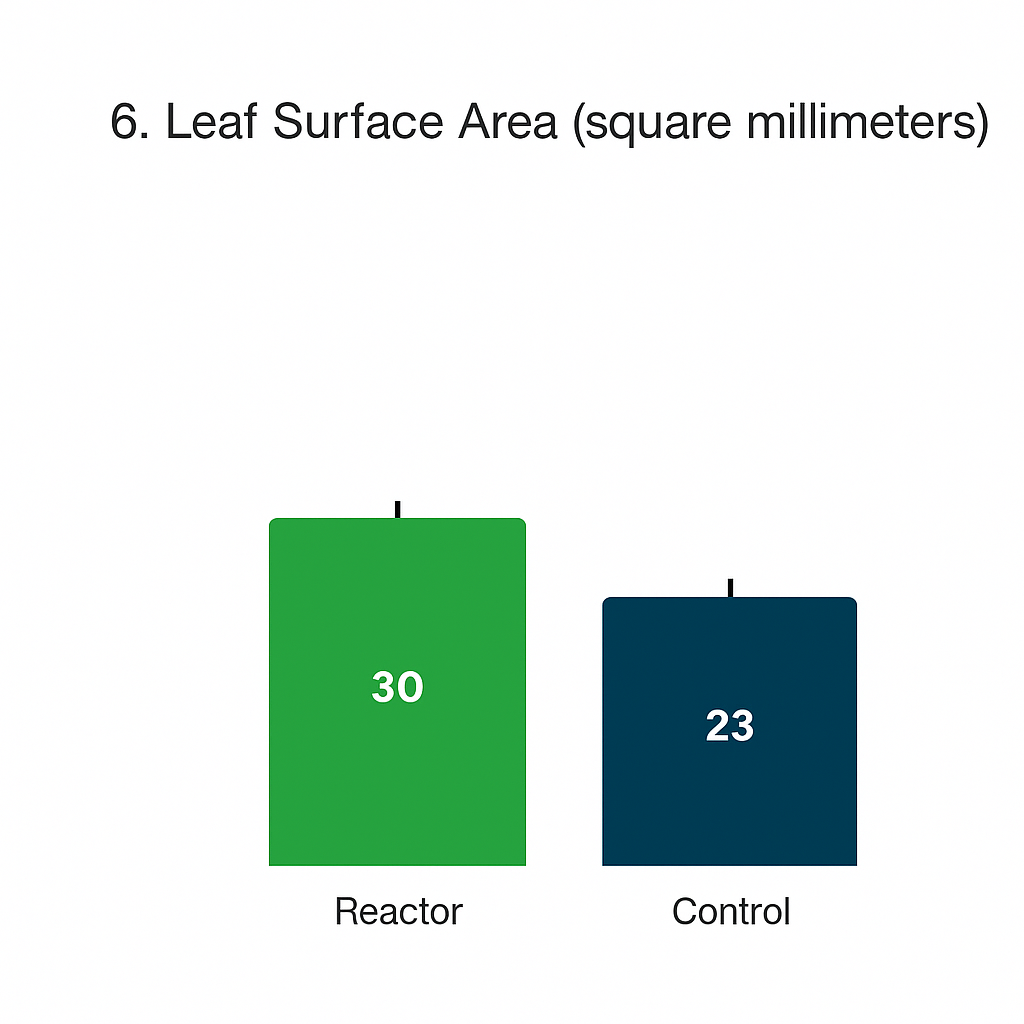
Reactor treatment significantly reduced the length of the main root and significantly increased the root diameter, number of secondary roots, hypocotyl length, and greenness index. The length of the main root in the control was 17.8 mm and in the reactor it was 12.6 mm. The root diameter increased from 0.44 mm to 0.69 mm. The number of secondary roots increased from 2.2 to 5.1. The hypocotyl length increased from 4.0 mm to 6.5 mm. The greenness index increased from 0.36 to 0.43. The leaf area increased by 30%, the root hair density doubled, and no difference was observed in the germination percentage.
Discussion
The decrease in the length of the main root and the increase in the diameter and number of lateral roots indicate a change in the growth pattern from escape from stress to optimal absorption. The increase in the length of the hypocotyl and the area of the leaflet indicate an increase in turgor and cell tension. The increase in the greenness index indicates an increase in chlorophyll synthesis and higher photosynthetic capacity. The doubling of the root hair density greatly increases the surface area for water and ion absorption. These changes, under the condition of the same chemical composition of the water, indicate unknown physical effects that the reactor device exerts on the water or seeds.
Conclusion
Placing water in the vicinity of the reactor accelerates growth without changing the chemical composition of the water. It changes the growth pattern of mung beans. 2 Shorter and thicker roots and greener leaves increase the readiness of the seedling for rapid growth in the field. 3 Increased uniformity and reduced oxidative stress lead to reduced seedling production costs.